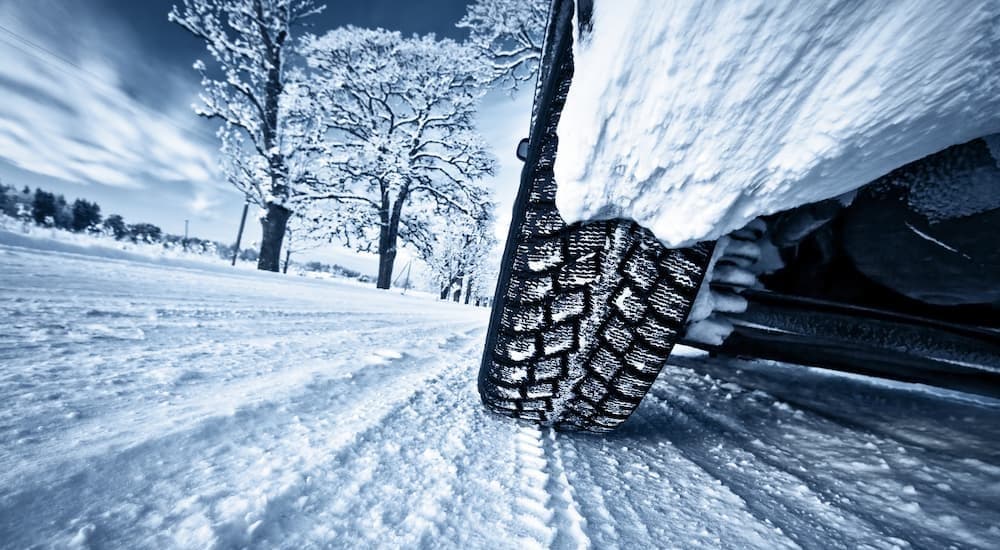



A mild winter can occasionally let drivers postpone maintenance without immediate consequences. A season that brings months of below-zero temperatures and several feet of snow is far less forgiving. Weak batteries stop cooperating, tire pressure drops, and minor visibility problems become serious once snow and road spray enter the fray. Following a few practical winter service tips before the temperature starts dropping can help your vehicle start reliably, respond predictably, and protect you if a trip does not go according to plan. Preparation doesn't require replacing every component. It means identifying what is worn, correcting existing problems, and making sure both the vehicle and its emergency supplies are ready for the weather ahead. We've got a lot to discuss with you today, so let's get this show on the road. #1 - Arrange a Winter Inspection Early Cold weather frequently exposes problems that were already developing. A slow-starting engine, a small coolant leak, an aging wiper blade, or an underinflated tire may seem manageable in the fall but become much harder to ignore after temperatures plunge. Schedule an inspection at our service center before the busiest portion of winter. This provides time to diagnose warning signs, obtain any necessary parts, and complete repairs without the pressure of an approaching storm. Tell your technician about anything unusual you have noticed, even if it occurs intermittently. Warning lights, fluid spots, unfamiliar sounds, weak heat, and changes in the way the vehicle starts or stops can all provide useful clues. #2 - Make Sure the Engine Will Start A vehicle battery faces two challenges in severe cold: its available power decreases, while the engine may require more effort to start. That combination can cause a marginal battery to fail on the morning you need it most. Have the battery tested to assess its current condition. Its terminals, cables, and connections also deserve attention, since corrosion or looseness can interfere with electrical flow. Possible signs of trouble include slow cranking, clicking during a start attempt, dimming lights, or needing a jump-start. These symptoms do not always prove that the battery itself is responsible. The charging system, starter, and other components may also need to be evaluated. Don't forget to use the engine oil specified by the vehicle manufacturer and follow the recommended service interval. The correct oil is particularly important during cold starts, when it must circulate through an engine that has been sitting in freezing conditions. #3 - Give Your Tires a Closer Look Tires influence how your vehicle accelerates, turns, and stops. All-wheel drive or four-wheel drive may help you begin moving, but neither can compensate for badly worn tires or restore traction that the road doesn't provide. Check each tire for shallow or uneven tread, cracking, bulges, embedded objects, and other visible damage. Abnormal wear may indicate an issue with inflation, alignment, or suspension. Tire pressure decreases as outdoor temperatures fall. Measure it when the tires are cold and use the vehicle manufacturer's recommended setting, typically listed on a label on your driver-side door frame. You mustn't treat the maximum pressure molded into the tire sidewall as the correct target. Given our region's extended cold and frequent snowfall, dedicated winter tires are always worth considering. They use tread designs and rubber compounds intended for low temperatures and winter surfaces. They can't make unsafe roads harmless, but they can improve your vehicle's ability to work with the available grip. Finally, check the spare tire or verify that the emergency inflation equipment supplied with the vehicle remains usable. #4 - Check Coolant and Other Fluids Your vehicle's cooling system helps prevent overheating, which you might not think is important in sub-zero temperatures. However, coolant also contains antifreeze to protect the engine from freezing in extreme cold. Before winter, have the level and condition of your engine coolant checked along with the hoses and visible connections. A low coolant level requires investigation. Continually topping off the reservoir without finding the cause could allow a leak to worsen. Only use coolant that meets the manufacturer's requirements; color alone doesn't establish compatibility. And of course, never open a hot or pressurized cooling system. Fill the windshield-washer reservoir with fluid rated for the temperatures expected in your area—this is important. Plain water or mild-weather fluid may freeze inside the system and damage it. Keeping an extra container available can be helpful during a season filled with salt spray and dirty, melting snow. #5 - Prepare for Low Visibility Winter can obstruct your view with falling snow, ice, glare, road grime, and spray from passing vehicles. Replace wiper blades that chatter, skip, split, or leave streaks. Confirm that the washer nozzles work and are correctly aimed. The heating and defrosting systems should also be tested before the first storm. The front defroster, rear-window defogger, blower, and heated mirrors (if equipped) all contribute to visibility. Weak airflow, unusual odors, or windows that clear unusually slowly may warrant attention. Always remove snow from the entire vehicle before driving. Clear every window and mirror, and brush off the roof, hood, liftgate, headlights, and taillights. Snow left on top can slide over your windshield or blow toward other motorists, and you don't want to be pulled over by a police officer on your morning commute for an easily avoidable reason. Exterior lighting should remain clean and operational throughout the season. Inspect the headlights, taillights, brake lights, turn signals, and hazard lights to ensure your vehicle is visible during short winter days and inclement weather. #6 - Address Brake Concerns Promptly Snow and ice already increase a vehicle's stopping distance. A neglected brake problem adds another variable when traction is limited. Arrange an inspection at our service center if you notice grinding, squealing, vibration, pulling, a soft pedal, or a change in braking response. Do not depend on anti-lock brakes or electronic driver aids to overcome worn components or excessive speed. Even a properly functioning braking system needs help from the driver. Increase the space between your vehicle and surrounding traffic, begin slowing sooner, and apply all inputs smoothly on slippery roads. #7 - Reduce the Effects of Road Salt Road treatments improve traction, but the residue can encourage corrosion. Wash your vehicle when conditions allow, paying attention to the underbody and wheel wells, where grime tends to collect. Cleaning is especially useful after driving on heavily treated roads. Repairing paint chips before winter can help protect exposed metal. Door seals should also be cleaned and checked for damage. You should never pour hot water on frozen glass, doors, or locks. The temperature change can damage or even shatter glass, and the added water may simply freeze elsewhere. Use automotive deicing products and an appropriate scraper instead. Keeping a spare scraper outside the vehicle can save considerable frustration if the doors freeze shut. #8 - Pack for an Unexpected Delay A breakdown or road closure is more serious when temperatures are below zero. Carry supplies that can keep you visible, warm, and connected while you wait for assistance. A practical winter kit might contain: Ice scraper and snow brush. Warm clothing, gloves, hats, and blankets. Flashlight and spare batteries. Charged power bank and phone cable. Jumper cables or a portable jump starter. Small shovel and traction material. Reflective warning devices. First-aid supplies and essential medications. Drinking water and shelf-stable snacks. Adjust the supplies for children, older passengers, or pets who regularly travel with you. Inspect your emergency kit throughout winter to replace used items and recharge batteries. Try not to let the fuel tank become extremely low during severe weather. Drivers of electric vehicles should likewise consider available charge, trip length, temperature, and possible delays before leaving. When conditions are poor, tell someone where you are going and when you expect to arrive. #9 - Drive According to the Road, Not the Schedule Vehicle preparation cannot eliminate the need for cautious driving. Reduce your speed, leave more stopping room, and avoid abrupt steering, acceleration, or braking. Give yourself enough time to clear your vehicle of snow and ice before driving and reach your destination without rushing. Four-wheel drive and all-wheel drive can assist under certain conditions, but they don't guarantee your safety. If roads become unsafe or officials recommend staying home, postponing nonessential travel may be the smartest choice. Schedule Winter Service Before the Snow Arrives Winter preparation supports five basic goals: reliable starting, adequate traction, clear visibility, mechanical protection, and emergency readiness. Your vehicle may not need every service discussed here, but an inspection can distinguish components that remain in good condition from those requiring attention. Taking care of details like the battery, tires, brakes, fluids, wipers, and other winter-related systems can make the next stretch of snow and sub-zero weather much easier to manage.